


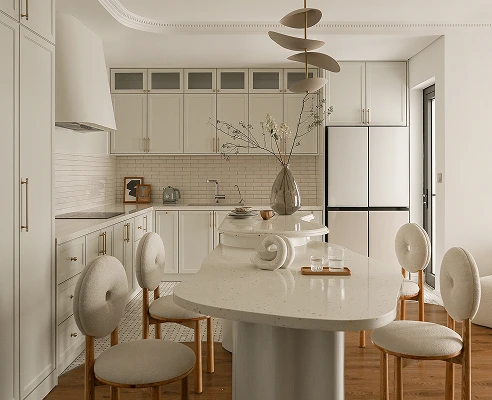

Top Wardrobe Design Trends for 2025
So, what’s really happening with wardrobe design in 2025? Simple answer: wardrobes are no longer just storage. They’ve become fully integrated systems that sit right at the intersection of architecture, daily habits, and interior aesthetics. Whether you’re planning a high-end residential project or refining your own home, getting wardrobe design right is now a defining factor.
Here’s a streamlined look at the Top Wardrobe Design Trends for 2025—what’s actually working on real projects, not just in renders.
- The Naked Wardrobe: Structure on Display
The Naked Wardrobe continues to gain traction in 2025. By removing doors and bulky side panels, storage becomes open, modular, and architectural.
Why it works:
- Clean lines add structure to the room
- Full visibility makes daily use more intuitive
- Spaces feel lighter and more open
Think aluminium frames paired with warm timber shelving and subtle integrated lighting. In both city apartments and large villas, naked wardrobes turn storage into a design feature rather than something to hide.
- Sliding Door Wardrobe: Still the Smart Choice
Despite the rise of open systems, the Sliding Door Wardrobe remains essential—especially where space is limited.
Its biggest advantage is obvious: no swing space required. That alone makes it ideal for compact bedrooms. In 2025, the look is more refined, with slim profiles, soft-close tracks, and matte or textured finishes replacing high-gloss panels.
Glass, fabric inserts, and mirrored doors keep sliding wardrobes flexible, practical, and visually clean.
- Built-In Wardrobe for Seamless Interiors
The demand for cohesion has pushed the Built-In Wardrobe firmly into the spotlight. The goal is for the wardrobe to feel like part of the building itself.
Key benefits:
- Floor-to-ceiling space optimization
- Calm, uninterrupted wall lines
- Custom solutions for alcoves and angled ceilings
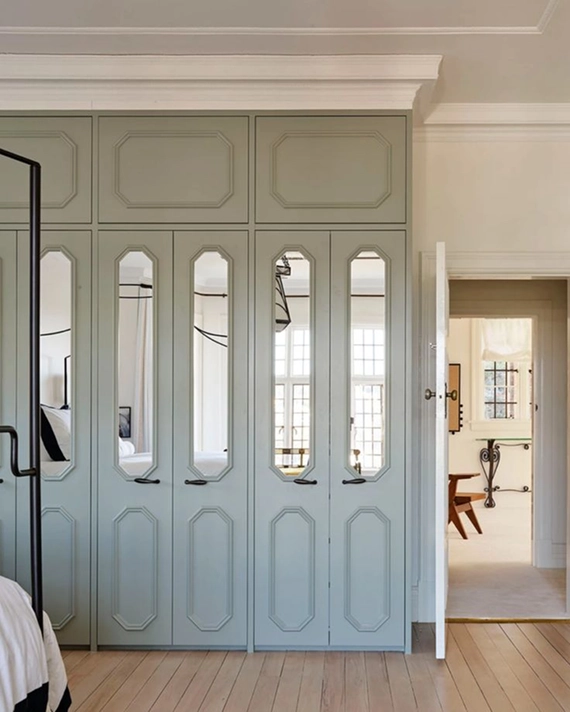
Flush, handle-less doors—often colour-matched to the wall—are central to built-in wardrobe design for contemporary interior spaces, delivering a quiet, architectural finish.
- Walk-In Wardrobe as a Lifestyle Space
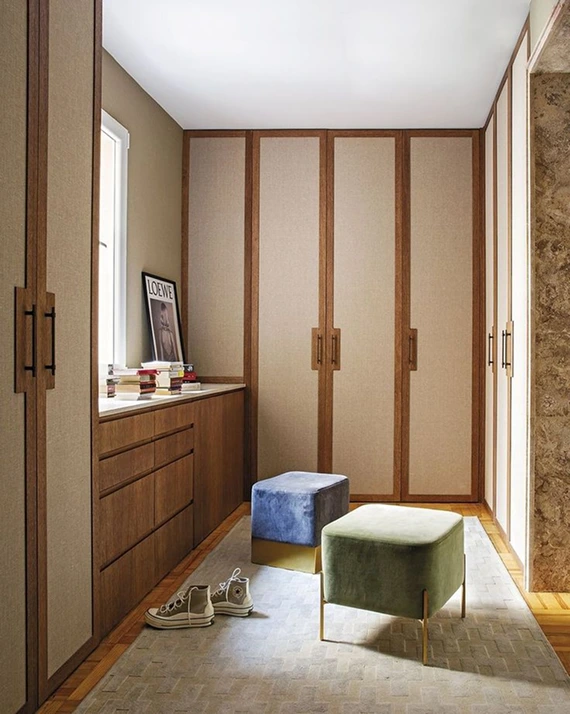
The Walk-In Wardrobe has evolved into a personal dressing suite rather than a luxury add-on.
Today’s walk-in wardrobe layouts for luxury residential projects are planned around how people actually live: zoning for clothing and accessories, integrated seating or islands, and lighting that activates intuitively. The result is a space that feels indulgent, practical, and deeply personal.
- Material Contrast and Texture
Uniform finishes are giving way to layered materials. Mixing textures adds depth and a bespoke feel.
Popular combinations include:
- Wood grain with metal framing
- Fluted glass with soft leather details
- Matte laminates balanced by natural elements
This approach elevates wardrobe design from fitted furniture to crafted interior architecture.
- Flexible, Modular Storage Systems
Adaptability is now non-negotiable. Clients want wardrobes that can evolve.
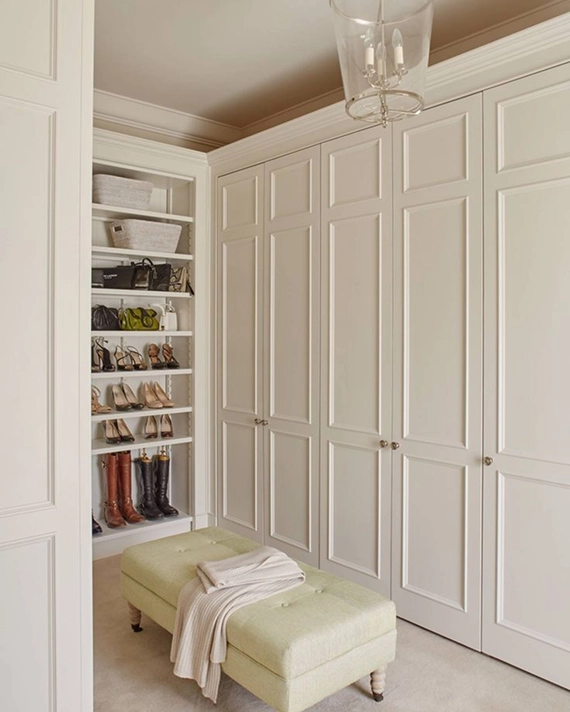
Adjustable shelves, reconfigurable rails, pull-out organisers, and discreet tech integration all support long-term use. This flexibility is a key part of modern custom wardrobe design for whole house interiors, where systems must work across different rooms and life stages.
- Sustainability and Long-Term Quality
The mindset has shifted to “buy once, buy well.” In 2025, quality and longevity matter more than ever.
That means:
- Durable materials that age well
- Low-emission finishes
- Hardware designed for decades of use
Wardrobes are now considered long-term investments, not disposable furniture.
Why Wardrobe in ETbox Works in Practice
Executing these trends requires more than good design—it requires a reliable system. Wardrobe in ETbox supports cohesive custom wardrobe design for whole house interiors, allowing naked, sliding door, built-in, and walk-in wardrobes to be delivered within one coordinated solution.
Factory precision, consistent materials, and streamlined installation reduce site issues while delivering a refined final result.
Final Thoughts
In 2025, wardrobe design is about improving how people live—not just where they store things. When smart organisation, calm aesthetics, and personal routines come together, the result is an interior that genuinely works better. Understanding these trends—and choosing the right system to deliver them—is what separates a good space from a great one.