






5 Common Window Installation Mistakes to Avoid on Site
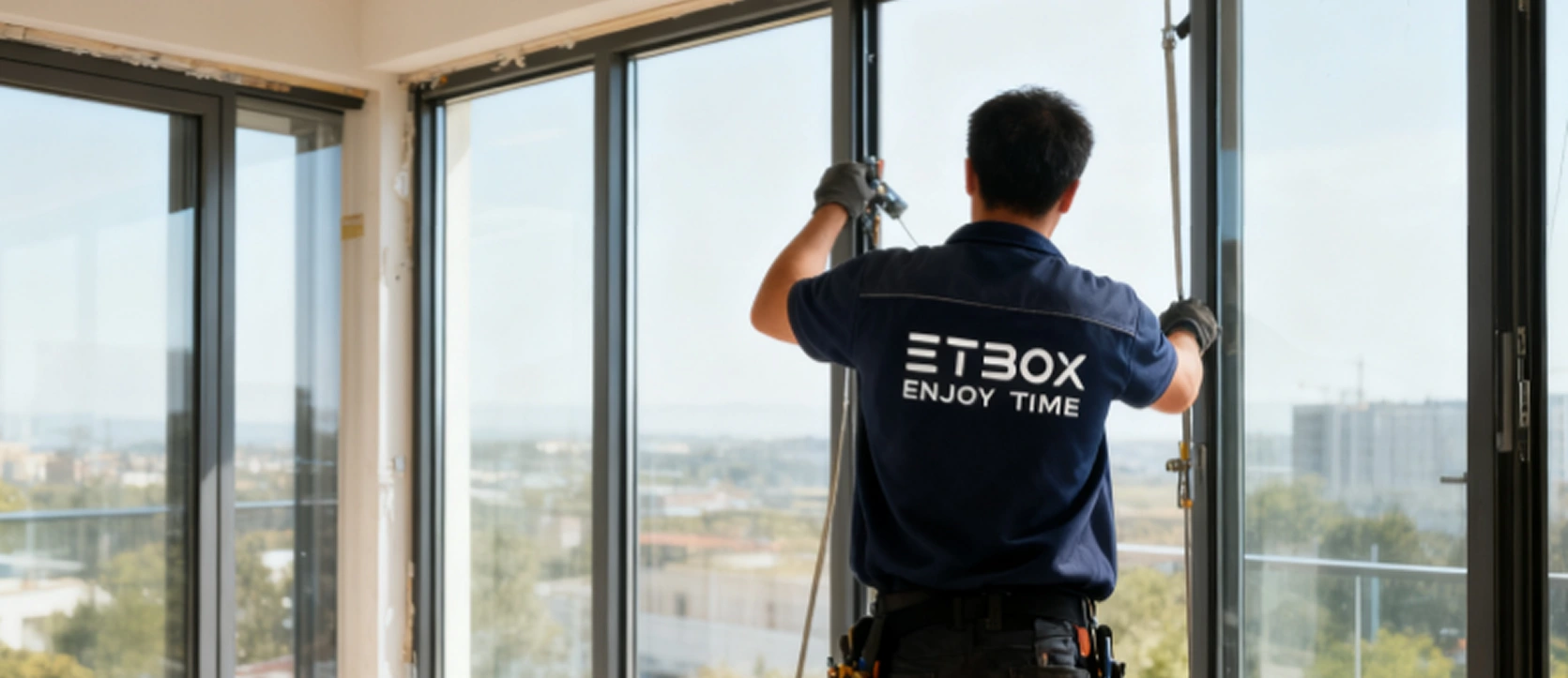
Even the highest-quality windows can fail to perform if they are installed incorrectly. In real construction projects, many window-related problems don’t come from the product itself, but from mistakes made on site during installation.
Whether you’re working with aluminum windows in a villa, an apartment building, or a commercial project, avoiding these common window installation mistakes can save time, money, and long-term maintenance headaches.
Here are five of the most frequent issues installers and builders encounter—and how to prevent them.
- Incorrect Window Measurements and Opening Preparation
One of the most basic, yet most common, window installation mistakes happens before the window even arrives on site: inaccurate measurements.
If the rough opening is not properly measured or prepared, installers are forced to make adjustments during installation. This often leads to gaps, excessive filler use, or misalignment.
Common problems include:
- Openings that are not square or level
- Insufficient allowance for expansion
- Rough openings that are too tight or too loose
For aluminum windows, precision is especially important. Aluminum frames are rigid and rely on accurate installation to perform correctly. Before installation, the opening should be checked for level, plumb, and square, and cleaned of debris.
Proper preparation ensures the window fits correctly and performs as designed.
- Poor Sealing and Waterproofing
Water infiltration is one of the most damaging issues caused by improper window installation. In many cases, leaks are not visible immediately, but appear months or even years later.
This is often due to:
- Incomplete sealing around the frame
- Incorrect use of sealants
- Missing or poorly installed flashing
For sliding glass windows and floor-to-ceiling glass windows, waterproofing is even more critical because of their larger surface areas and exposure.
A proper sealing system should include:
- External weather-resistant sealant
- Internal air-tight sealing
- Correct drainage paths
Skipping steps or using the wrong materials can compromise thermal performance and cause long-term structural damage.
- Ignoring Thermal Break and Insulation Details
Modern aluminum windows often include thermal break technology, designed to reduce heat transfer between indoor and outdoor environments. However, this feature can be rendered ineffective if installation details are ignored.
Common mistakes include:
- Gaps between the window frame and wall structure
- Improper insulation around the frame
- Compression or damage to thermal break components
When installing aluminum inward-opening windows or other operable systems, insulation continuity around the frame is essential. Even small gaps can lead to heat loss, condensation, and reduced energy efficiency.
Correct insulation materials and proper installation techniques ensure the window performs as expected in both hot and cold climates.
- Incorrect Alignment and Poor Operation Testing
A window may look fine after installation, but if it doesn’t operate smoothly, problems will quickly follow.
Misalignment often results in:
- Difficulty opening or closing the window
- Increased wear on hardware
- Compromised sealing and air leakage
This issue is common with sliding glass windows, where track alignment is critical. Even a slight deviation can affect performance over time.
Before handing over the project, installers should always:
- Test opening and closing functions
- Check locking mechanisms
- Confirm even pressure on seals
Taking the time to test operation on site prevents costly adjustments later.
- Lack of Coordination Between Trades
Window installation does not happen in isolation. It often overlaps with structural work, waterproofing, insulation, and finishing trades.
Problems arise when:
- Windows are installed before waterproofing is complete
- Finishing materials interfere with drainage paths
- Frame protection is removed too early
For large aluminum window systems, especially in commercial buildings or villa projects with floor-to-ceiling glass windows, coordination between trades is essential.
Clear installation sequencing and communication help prevent damage and ensure the window system integrates properly with the building envelope.
Why Proper Installation Matters
Even premium aluminum windows can underperform if installation standards are not followed. Poor installation affects:
- Energy efficiency
- Acoustic performance
- Water resistance
- Window lifespan
Avoiding these common window installation mistakes helps ensure that windows deliver their full value, both technically and aesthetically.
Final Thoughts
Window installation is not just a technical step—it’s a critical part of overall building performance. By focusing on accurate measurements, proper sealing, correct insulation, careful alignment, and good coordination on site, builders and installers can avoid the most common problems seen in real projects.
Whether you’re installing aluminum inward-opening windows in apartments, sliding glass windows in villas, or large aluminum window systems in commercial spaces, attention to detail during installation makes all the difference.