



Thermal Break vs Non-Thermal Break: Which One Is Better for Commercial Projects?
Thermal Break vs Non-Thermal Break: Which One Is Better for Commercial Projects?
In modern construction, Aluminium Systems have become the backbone of commercial façades, windows, and doors. Whether you’re building offices, hotels, retail stores, or high-end residential blocks, choosing the right aluminium window systems directly affects energy efficiency, comfort, durability, and long-term building performance. One of the most critical decisions? Choosing between thermal break and non-thermal break aluminum windows.
This article breaks down how each system works, their advantages, and which one is a better fit for commercial projects—so contractors, architects, and developers can make informed decisions and avoid costly mistakes.
1. What Is a Thermal Break in Aluminium Systems?
A thermal break is an insulating barrier—usually polyamide—that separates the interior and exterior aluminium profiles. Because aluminium is a highly conductive metal, it easily transfers heat. A thermal break reduces this conductivity, improving insulation, reducing condensation, and stabilizing indoor temperatures.
In short: Thermal break aluminum windows = energy efficiency + comfort + long-term cost savings.
2. What Are Non-Thermal Break Aluminium Systems?
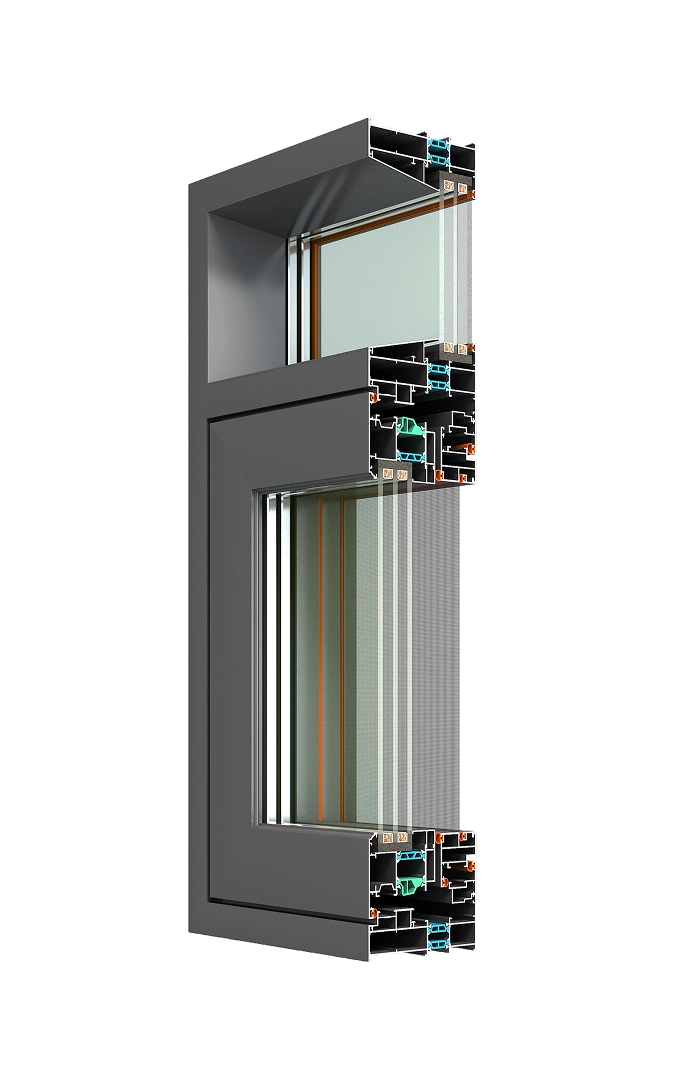
Non-thermal break systems use a single, continuous aluminium profile without insulation. They are strong, cost-effective, and suitable for certain environments—but they allow much more heat transfer.
In short: Non-thermal break systems = cost-effective but limited in thermal performance.
3. Thermal Break vs Non-Thermal Break: A Deep Comparison
- Energy Efficiency & Thermal Performance
Thermal Break Systems
- Reduce heat loss/gain significantly
- Support energy-efficient building certifications
- Ideal for large glass façades
- Improve indoor comfort and HVAC efficiency
Non-Thermal Break Systems
- Allow heat transfer through the frame
- Not suitable for buildings requiring energy performance ratings
- Higher HVAC load in hot and cold climates
Winner:Thermal break aluminum windows, especially for commercial environments.
- Condensation Resistance
Condensation is a common headache for commercial buildings. Moisture damage can ruin interior finishes, flooring, and even electrical systems.
Thermal Break Systems: ✔ Strong resistance to condensation ✔ Maintain a balanced interior temperature ✔ Reduce mold and maintenance issues
Non-Thermal Break Systems: ✘ Highly prone to condensation ✘ Not recommended in high-humidity areas or buildings with HVAC systems
Winner:Thermal break systems—far safer and more stable for real-world usage.
- Durability & Long-Term Value
Both systems use durable aluminium frames, but the long-term performance differs.
Thermal Break Aluminium Systems:
- Longer lifespan in extreme climates
- Better resistance to warping and thermal expansion
- Maintain structural integrity in large commercial openings
Non-Thermal Break Systems:
- Still strong, but less stable in weather-exposed structures
- More suited to mild climates or internal partitions
Winner:Thermal break for longevity and stability.
- Noise Reduction & Comfort
Commercial buildings—especially offices, hospitals, hotels, and schools—require acoustic performance.
- Thermal break frames naturally improve sound insulation
- Non-thermal break frames offer basic performance but cannot meet acoustic requirements for premium buildings
Winner:Thermal break systems—a must-have in noise-sensitive areas.
- Aesthetic Flexibility: Casement and Sliding Window Options
Both thermal break and non-thermal break frames can be used for:
- Casement windows
- Sliding windows
- Fixed windows
- Curtain wall insert windows
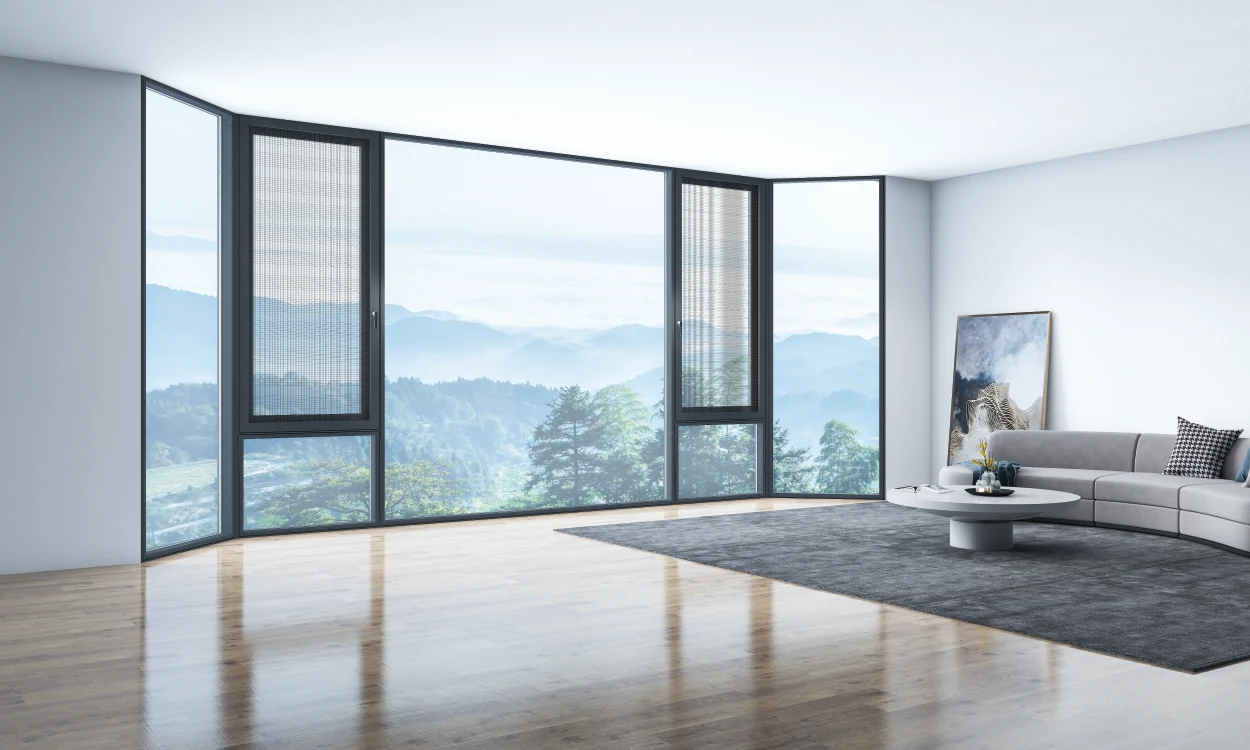
However, thermal break systems offer superior structural balance, especially for large-format sliding windows and commercial window walls.
Architects prefer them for:
✔ Slimmer profiles
✔ Larger glass spans
✔ Consistent exterior performance across mixed window types
- Cost Considerations
Non-Thermal Break Systems:
- Lower upfront cost
- Good for warehouses, internal partitions, or mild climates
Thermal Break Systems:
- Higher initial investment
- Provides long-term savings through energy efficiency and reduced maintenance
- Essential for buildings facing green regulations or energy rating requirements
When evaluating total lifecycle cost, thermal break systems outperform.
4. So… Which One Is Better for Commercial Projects?
For the majority of modern buildings, thermal break aluminum windows are the clear winner—especially when long-term performance, energy savings, and comfort are considered.
Choose thermal break systems when:
✔ The building requires energy efficiency
✔ There are large glass areas
✔ Acoustic control is important
✔ The climate is hot or cold
✔ The project must meet green building certifications
Choose non-thermal break systems when:
✔ Budget is the primary focus
✔ Used for interior partitions
✔ Climate is extremely mild
✔ No insulation or condensation requirements exist
Most commercial projects today—especially offices, mixed-use buildings, and hospitality—prefer thermal break Aluminium Systems as their standard.
5. Final Thoughts
Every project is different, but for high-performance building envelopes, thermal break aluminium window systems simply deliver better value, comfort, and durability. Whether your design includes casement window units, large sliding window openings, or integrated façade systems, thermal break technology ensures a safer and more efficient final result.
6. Build Better, Build Smarter with ETbox
Looking for reliable, high-performance Aluminium Systems for your next commercial project? At ETbox, we provide precision-engineered aluminium window systems, custom façades, and full building material solutions designed specifically for contractors and developers.
Contact ETbox today to get expert recommendations, drawings, and tailored material packages for your project.
Let’s build smarter, faster, and better—together.