


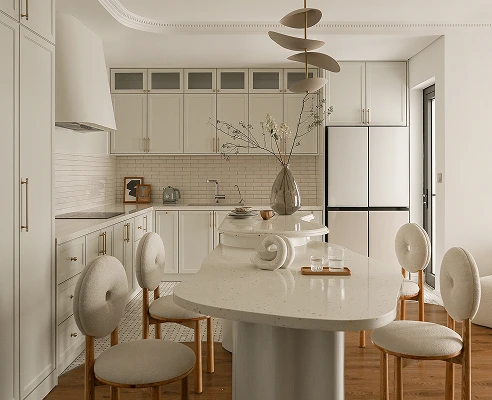

Choosing the right windows is a critical decision in any building project. Whether you are designing a private villa, renovating an apartment, or developing a commercial space, windows play a central role in aesthetics, functionality, energy efficiency, and long-term value. With so many options available—from floor-to-ceiling glass windows to aluminum inward-opening windows—understanding how to match window types to different spaces is essential.
This guide explains how to choose the most suitable aluminum windows and window styles for villas, apartments, and commercial buildings, based on performance, design, and usage requirements.
- Key Factors to Consider When Choosing Windows
Before selecting a specific window style, several universal factors should be evaluated:
- Building type and usage (residential vs commercial)
- Natural light and ventilation needs
- Thermal and acoustic performance
- Safety and durability
- Architectural style
- Maintenance and lifespan
Modern aluminum windows are increasingly favored because they offer structural strength, slim profiles, corrosion resistance, and design flexibility, making them suitable for all three building types.
- Choosing Windows for Villas: Design Meets Openness
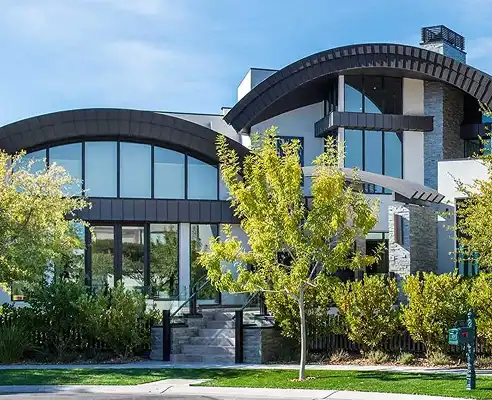
Villas typically emphasize space, views, and architectural expression. Windows are not just functional elements; they are design features.
Floor-to-Ceiling Glass Windows for Villas
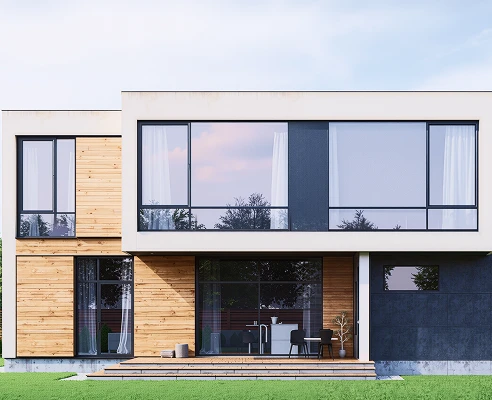
Floor-to-ceiling glass windows are a popular choice in villa design, especially for living rooms, dining areas, and master bedrooms. They maximize natural light, create seamless indoor–outdoor connections, and enhance the sense of luxury.
Benefits include:
- Expansive views of gardens or landscapes
- Increased daylight penetration
- A modern, high-end aesthetic
When choosing floor-to-ceiling glass windows, it is crucial to combine them with high-performance aluminum window frames and insulated glazing to ensure thermal efficiency and structural stability.
Sliding Glass Windows for Large Openings
Sliding glass windows are ideal for villas with wide openings, patios, or terraces. They offer smooth operation without occupying interior space and are particularly effective in open-plan designs.
Key advantages:
- Space-saving design
- Clean, minimal visual lines
- Suitable for large glass panels
For villas, aluminum sliding systems with reinforced profiles are recommended to support large glass sizes while maintaining safety and durability.
- Choosing Windows for Apartments: Efficiency and Practicality
Apartment windows must balance performance, safety, and space efficiency, especially in urban environments.
Aluminum Inward-Opening Windows
Aluminum inward-opening windows are widely used in apartments due to their practicality. They allow easy cleaning from inside the unit and provide controlled ventilation.
Why they work well for apartments:
- Ideal for high-rise buildings
- Easy maintenance and safe operation
- Excellent sealing for thermal and acoustic insulation
These windows are especially suitable for bedrooms and living areas where comfort and noise reduction are priorities.
French Windows for Balconies
French windows (also known as French-style casement windows or doors) are often used in apartments with balconies. They open fully, allowing maximum airflow and light.
Advantages include:
- Enhanced ventilation
- Classic yet versatile design
- Strong visual connection between interior and exterior
When made with aluminum frames, French windows combine traditional elegance with modern performance, making them suitable for both contemporary and transitional apartment designs.
- Choosing Windows for Commercial Spaces: Performance and Durability
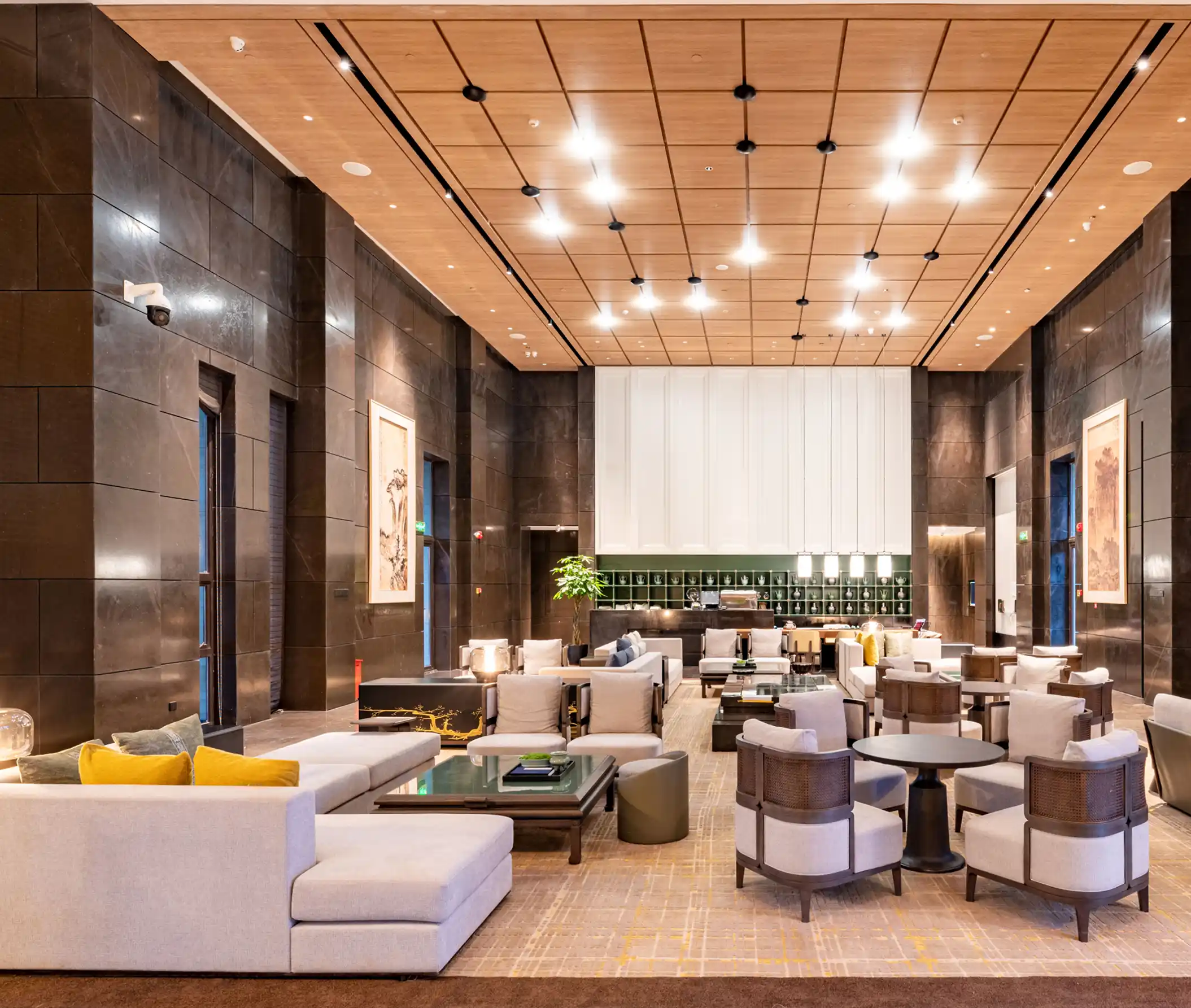
Commercial buildings require windows that prioritize longevity, safety, and energy efficiency, while also supporting branding and architectural identity.
Aluminum Windows for Commercial Buildings
Aluminum windows are the preferred choice for offices, hotels, and retail spaces due to their strength and low maintenance requirements.
Key benefits:
- High structural performance for large façades
- Resistance to corrosion and weathering
- Suitable for curtain wall systems and modular designs
For commercial projects, aluminum windows are often paired with double or triple glazing to meet strict energy and building code requirements.
Sliding and Fixed Glass Systems
In commercial settings, sliding glass windows and fixed glass panels are frequently used for storefronts, meeting rooms, and public areas. They provide transparency, openness, and a modern appearance.
These systems are particularly effective when:
- Visual openness is required
- Natural light enhances productivity
- Branding relies on clean architectural lines
- Matching Window Types to Building Needs
| Building Type | Recommended Window Types |
| Villas | Floor-to-ceiling glass windows, sliding glass windows, custom aluminum systems |
| Apartments | Aluminum inward-opening windows, French windows, tilt-and-turn systems |
| Commercial Spaces | Aluminum windows, sliding systems, fixed glass façades |
Choosing the right combination ensures that each space performs optimally while maintaining a cohesive architectural style.
- Why Aluminum Windows Are a Smart Long-Term Choice
Across villas, apartments, and commercial buildings, aluminum windows consistently stand out as a long-term investment. Compared to other materials, aluminum offers:
- Slim profiles with larger glass areas
- High strength-to-weight ratio
- Compatibility with modern thermal break technology
- Long lifespan with minimal maintenance
As design trends continue to favor openness, sustainability, and performance, aluminum windows remain one of the most versatile solutions available.
Conclusion
Selecting the right windows is not a one-size-fits-all decision. Villas benefit from expansive solutions like floor-to-ceiling glass windows and sliding glass windows, apartments require practical options such as aluminum inward-opening windows and French windows, while commercial spaces demand durable, high-performance aluminum window systems.
By understanding how window types align with different building needs, you can make informed choices that enhance comfort, efficiency, and architectural value for years to come.