





Where Thermal Performance Meets Design: A Real Look at the New Generation of Aluminum Windows
Where Thermal Performance Meets Design: A Real Look at the New Generation of Aluminum Windows
Alright, let’s talk honestly about aluminum windows for a moment.
If your mental image is still stuck on those cold, rattly frames from decades ago, you’re not alone—but you are out of date. The reality is, aluminum windows have gone through a complete transformation, and the difference between old systems and today’s high-performance solutions is night and day.
I work closely with aluminum window manufacturers on a daily basis, and the shift over the last few years has been massive. Clients—whether they’re renovating a private home or developing a commercial building—are no longer willing to compromise. They want clean design, large glass areas, and real energy efficiency. And finally, aluminum can deliver all three.
Why Aluminum Windows Are Having a Moment
There’s a reason aluminum windows are being specified more than ever. Modern architecture demands slimmer frames, more daylight, and stronger materials that can handle larger spans of glass.
Aluminum excels here. It’s strong, stable, and incredibly durable. But for years, it had one major weakness: thermal performance. Metal conducts heat. That was the problem—and for a long time, it limited where aluminum could realistically be used.
That limitation is exactly what pushed manufacturers to innovate. The result? A complete rethink of how aluminum window systems are engineered.
The Game Changer: Thermal Break Technology
At the heart of this evolution is the Thermal Break.
Put simply, a thermal break is a high-strength, non-conductive barrier built directly into the aluminum frame. It separates the inner and outer profiles, stopping heat from transferring straight through the metal.
This single innovation changed everything.
Today’s thermal break aluminum windows perform on par with—sometimes even better than—traditional window materials. Indoor temperatures stay stable, condensation is reduced, and energy loss drops dramatically.
From a practical standpoint, that means lower heating and cooling costs, better comfort year-round, and compliance with modern building regulations that simply weren’t achievable with older aluminum systems.
Design Freedom Without Performance Compromise
What makes modern aluminum window systems so compelling is that thermal performance no longer comes at the expense of design.
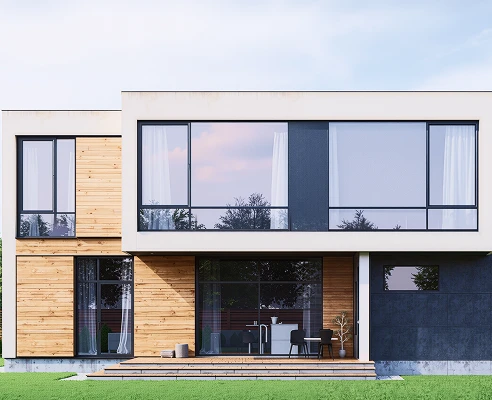
Slim profiles, minimal frames, and expansive glazing are still very much part of the package. The thermal break is integrated invisibly, so architects and designers aren’t forced to bulk up frames just to meet performance targets.
This is why high performance aluminum windows now appear everywhere—from contemporary homes to large-scale commercial developments. They allow design intent and technical performance to coexist, rather than compete.
Residential Aluminum Windows: Comfort Meets Modern Living
Let’s talk homes first.
Homeowners today expect more from their windows. Natural light, unobstructed views, and visual connection to outdoor spaces are no longer “luxury extras”—they’re standard expectations.
Leading residential aluminum window manufacturers have responded with systems designed specifically for private homes. Ultra-slim frames support large glass panels, while advanced thermal break aluminum window systems ensure the interior remains warm in winter and cool in summer.
This is especially important in open-plan living spaces, where poor window performance can quickly undermine comfort. With the right system, aluminum windows enhance the space rather than work against it.
From a resale perspective, these systems also add real value. Energy efficiency, durability, and contemporary design are boxes buyers actively look to tick.
Commercial Aluminum Windows: Built for Scale and Longevity
On the commercial side, the requirements are even more demanding.
Commercial aluminum windows need to perform across entire façades, not just individual openings. Structural strength, safety, acoustic control, and thermal efficiency all come into play—often at the same time.
This is where aluminum truly shines. Its strength allows for larger spans and fewer visual interruptions, which is ideal for offices, hotels, retail spaces, and public buildings. When paired with high-quality thermal breaks, these systems meet strict energy codes while maintaining a sleek, modern appearance.
For developers and architects, this makes aluminum an easy choice when sustainability targets and long-term durability matter.
Not All Aluminum Windows Are Created Equal
Here’s the part that really matters: not every aluminum window system delivers the same results.
True energy efficient aluminum window systems come down to engineering quality. Precision fabrication, premium thermal break materials, proper sealing, and correct glazing combinations all play a role.
This is why working with reputable aluminum window manufacturers is critical. A poorly designed system can look good on paper but underperform in real-world conditions. A well-engineered system, installed correctly, will perform reliably for decades.
It’s not just about meeting minimum standards—it’s about exceeding them.
Sustainability and Long-Term Performance
Aluminum also has strong sustainability credentials. It’s fully recyclable and retains its properties through repeated recycling cycles. When combined with improved thermal performance, aluminum windows contribute to lower energy consumption over the life of a building.
For projects specifying aluminum windows for residential and commercial buildings, this long-term performance is a major advantage. Reduced maintenance, consistent operation, and lasting visual quality all add up to better lifecycle value.
In other words, you’re not just choosing a window—you’re making a long-term investment.
The Bottom Line
So, what’s the real takeaway here?
Modern aluminum windows are nothing like their outdated predecessors. With advanced Thermal Break technology, today’s systems deliver excellent window thermal performance without sacrificing design freedom.
Whether you’re working with residential aluminum window manufacturers on a private home or specifying commercial aluminum windows for a large development, the logic is clear. You get strength, sustainability, clean aesthetics, and energy efficiency in one package.
My advice is simple: choose the right manufacturer, specify the right system, and make sure it’s installed properly. When you do, aluminum windows stop being a compromise and start being one of the smartest design decisions you can make.